Wolfspeed makes 300mm SiC breakthrough
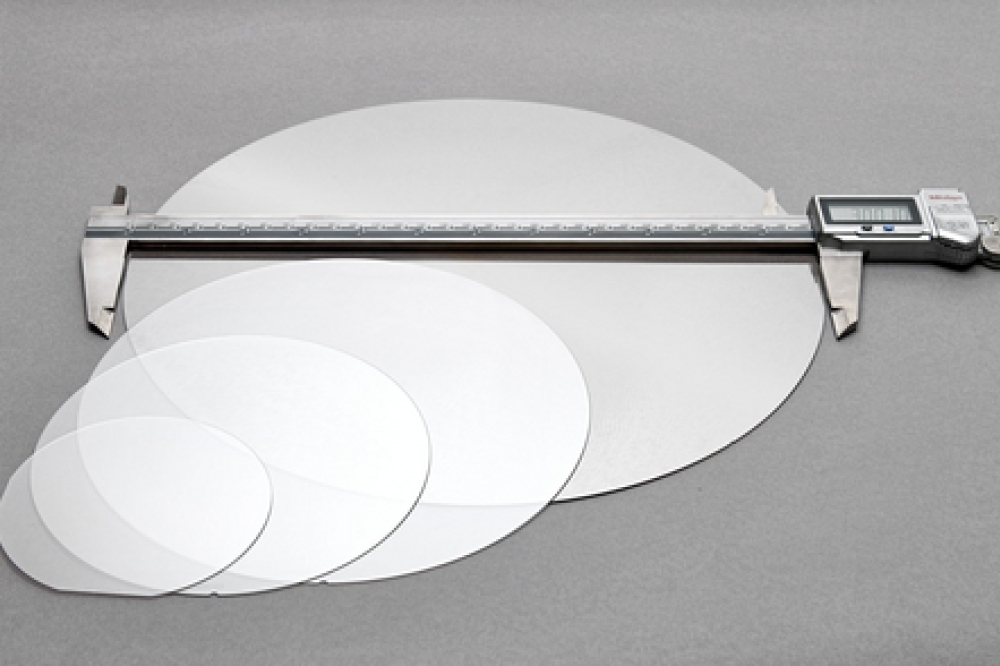
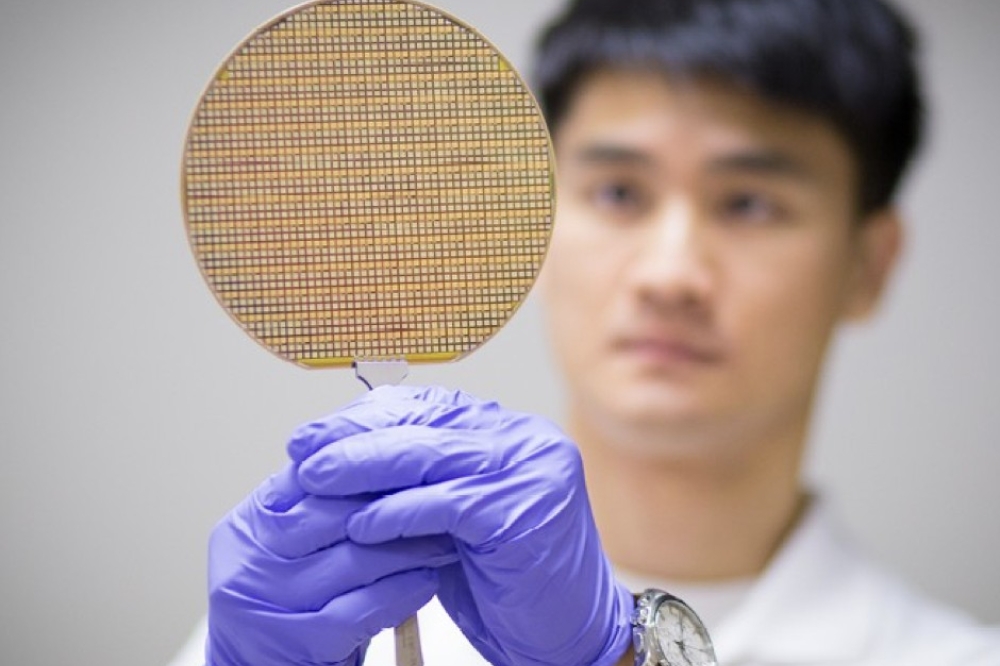
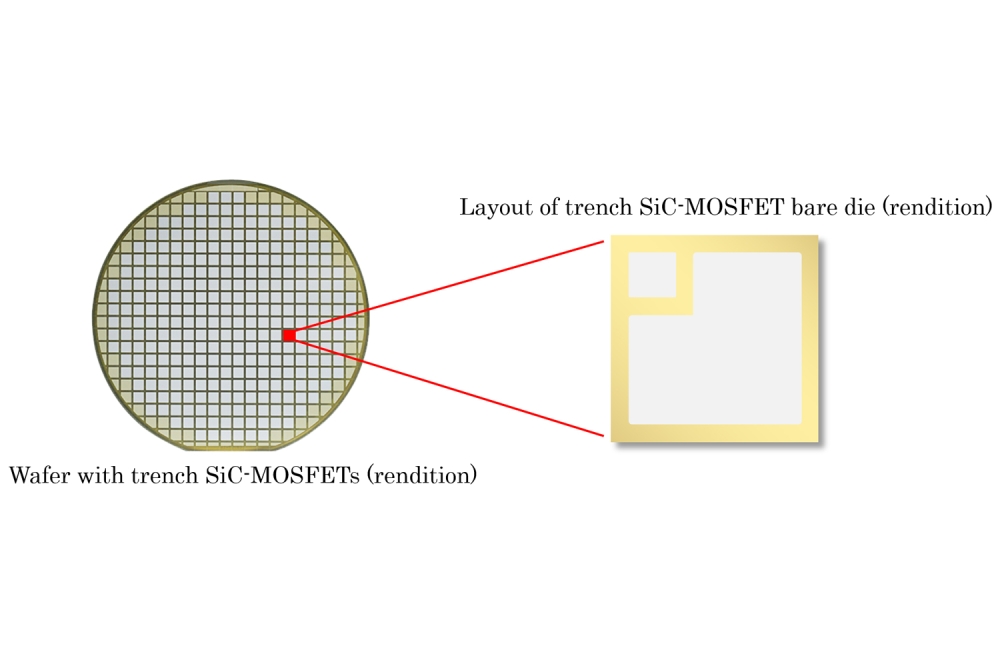
Wolfspeed has announced a significant industry milestone with the successful demonstration of a single crystal 300mm (12-inch) SiC wafer.
This represents a major step forward for next-generation computing platforms, immersive AR/VR systems, and high-efficiency, advanced power devices, according to the company.
“Producing a 300mm single crystal SiC wafer is a significant technical achievement and the result of years of focused innovation in crystal growth, boule growth, and wafer processing,” said Wolfspeed CTO Elif Balkas. “It positions Wolfspeed to support the industry’s most transformative technologies, especially critical elements of the AI ecosystem, immersive virtual and virtual reality systems, and other high-voltage device applications.”
Wolfspeed says its 300mm platform will unify high-volume SiC manufacturing for power electronics with advanced capabilities in semi-insulating substrates used in optical and RF systems. This convergence will support a new class of wafer-scale integration across optical, photonic, thermal, and power domains.
As AI workloads push data centers to their power limits, the demand for improved power density, thermal performance, and energy efficiency will continue to accelerate. Wolfspeed says its 300mm SiC will enable integration of high-voltage power delivery systems, advanced thermal solutions, and photonic interconnects at wafer scale, extending system performance beyond traditional transistor scaling.
Next-generation AR/VR systems require compact, lightweight configurations that integrate high-brightness displays with expansive fields of view and effective thermal management. SiC's material properties — including mechanical strength, thermal conductivity, and optical refractive control — suits it to multifunctional optical architectures.
Beyond AI infrastructure and AR/VR, moving SiC to a 300mm platform could also unlock a broader range of advanced power devices to support applications such as high voltage energy transmission at the grid level and next generation industrial systems that enable smaller, high-performance components that generate less heat.