Infineon launches EU flagship project Moore4Power
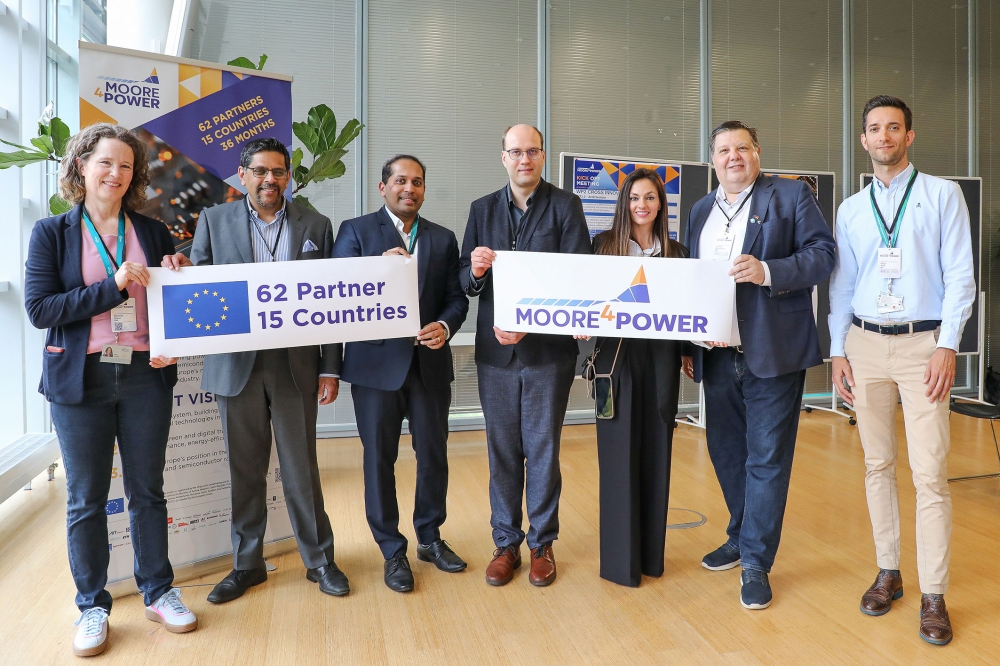
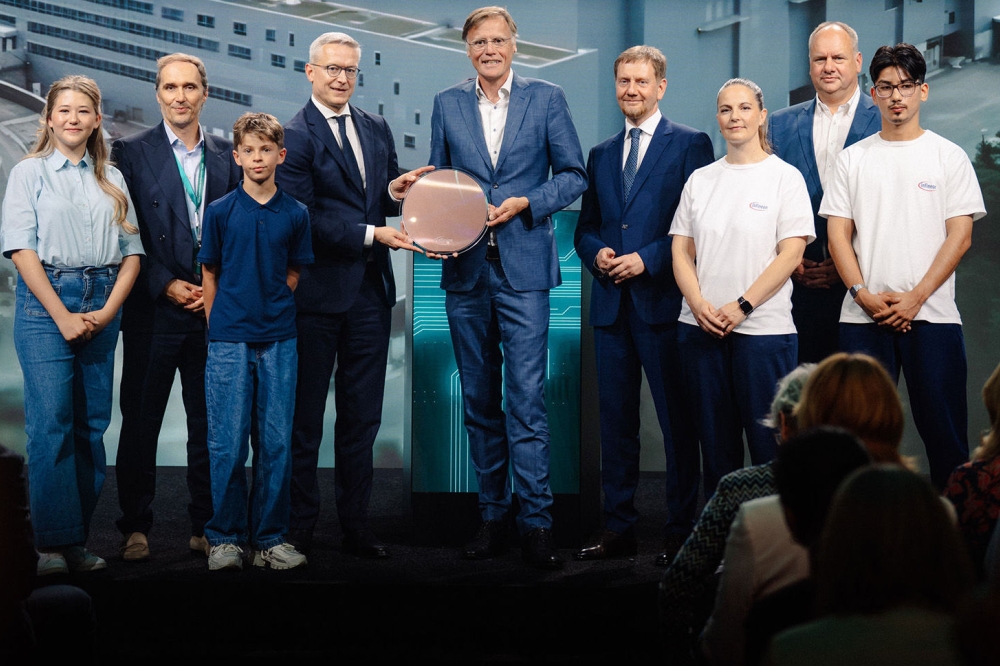
Coordinated by Infineon, 62 European partners have joined forces to develop smart power electronics in the Moore4Power project.
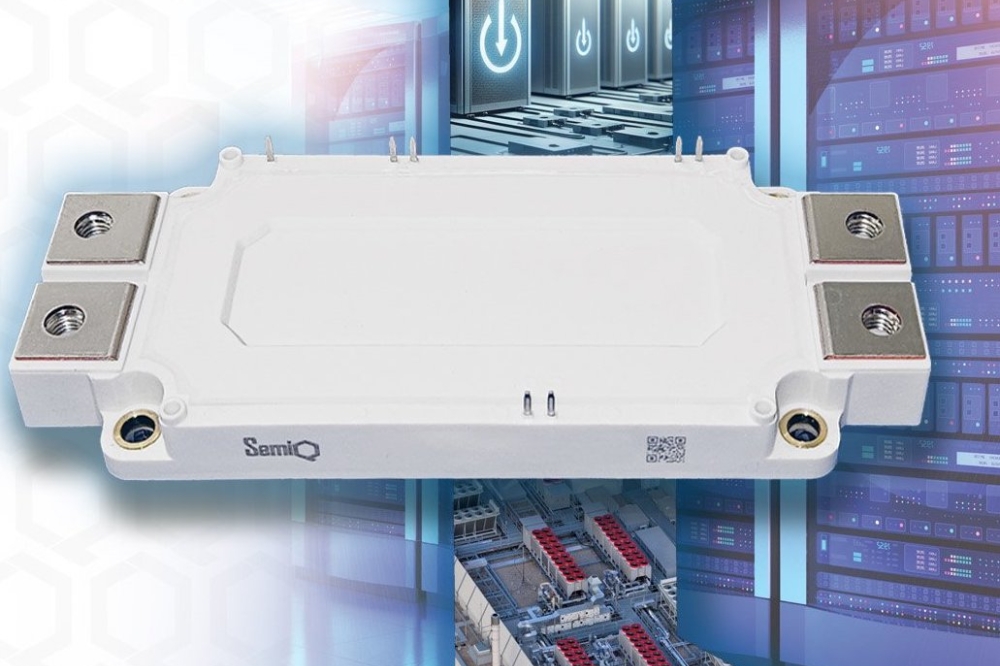
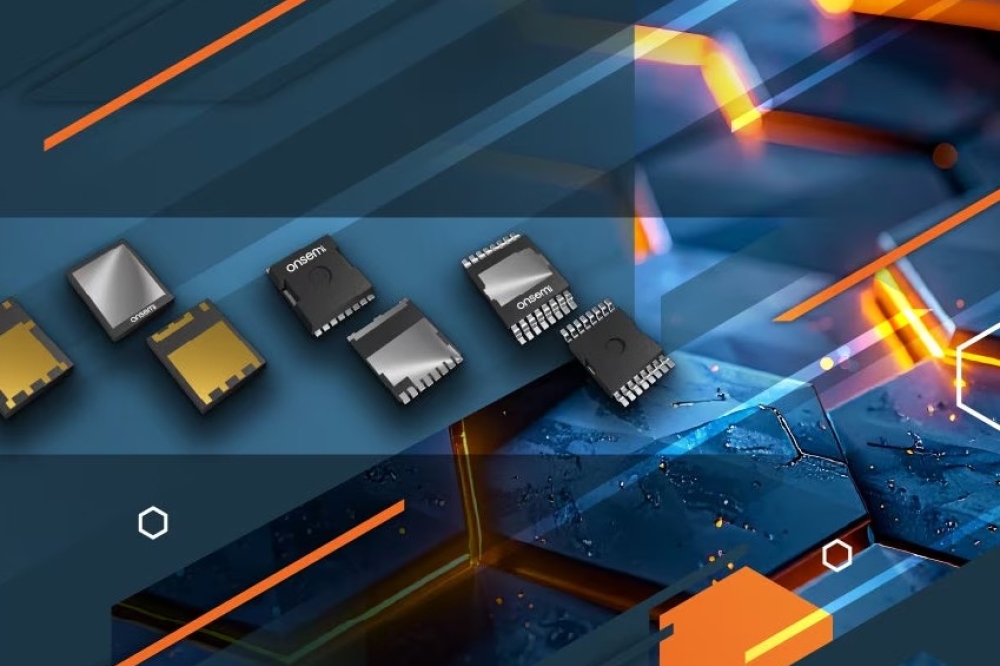
They will pioneer a 'More than Moore' approach combining heterogeneous and functional integration combining different semiconductor technologies such as silicon, SiC and GaN, together with sensing, control and communication functions. The idea is that each technology is used where it performs best, enabling higher efficiency, improved reliability and more compact designs.
Power chiplet technology enables scalable architectures and more flexible product variants at competitive cost levels. This modular approach will pave the way for next-generation solutions in a wide range of highly relevant applications. The foundation was laid in the predecessor project PowerizeD, a large Chips JU-funded project completed in 2025, which delivered advances in efficiency and reliability.
“Power electronics are a decisive enabler for energy efficiency and sustainability. With Moore4Power, we are setting the next level of smart integration to achieve significantly higher energy and resource efficiency,” says Jochen Koszescha, coordination lead for the Moore4Power project at Infineon Technologies AG. “We are proud to join forces with an outstanding consortium from academia, research and industry to make a decisive contribution to Europe’s Clean Industrial Deal.”
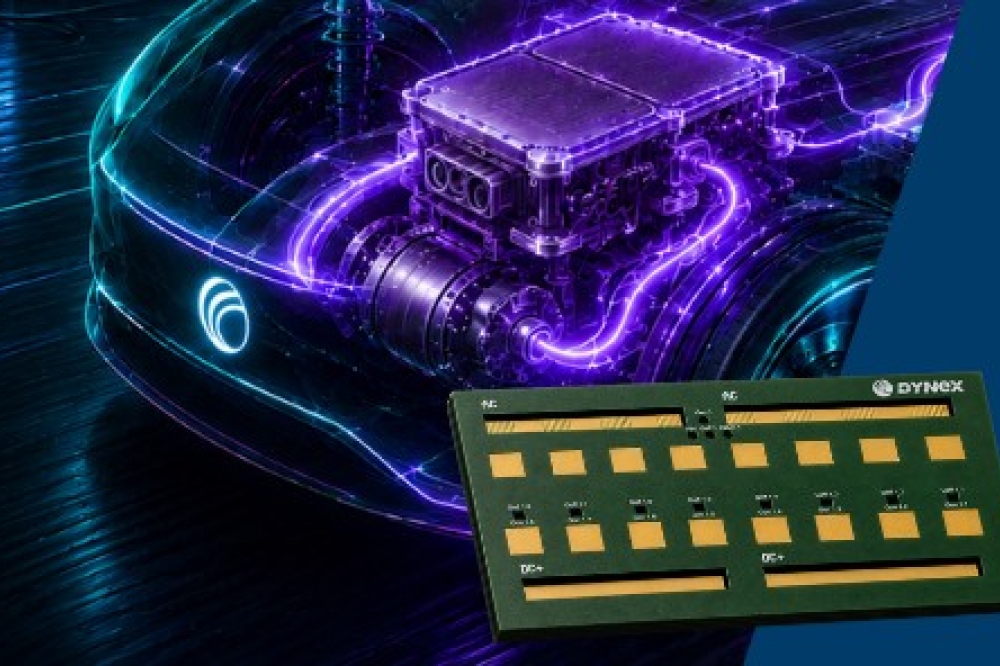
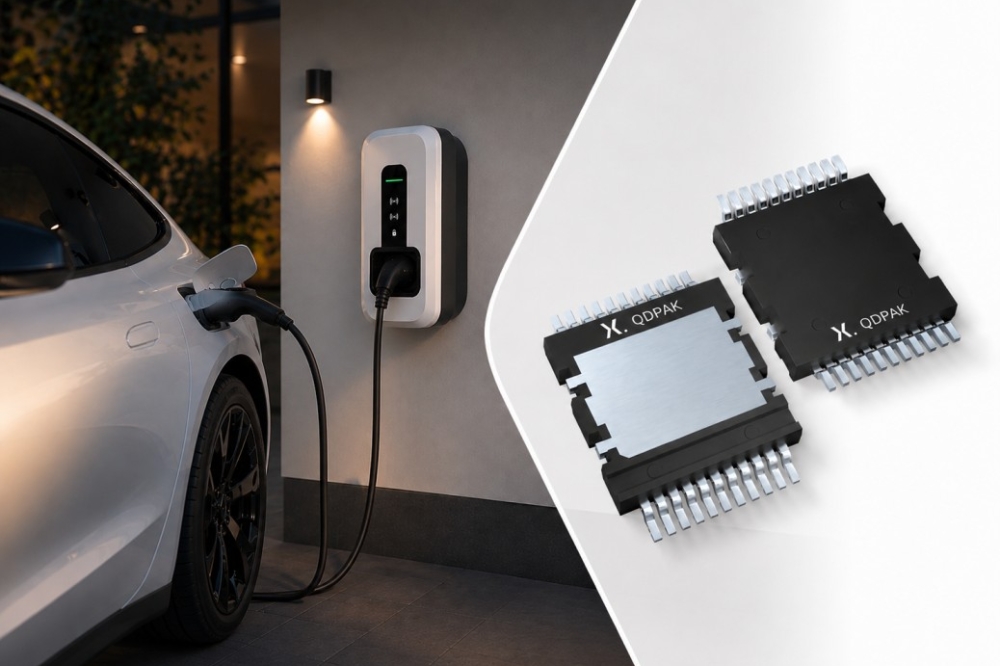
Moore4Power focuses on high‑impact sectors where power conversion drives cost, CO₂ reduction and reliability. In wind energy, advanced power electronics can operate at the core of turbines to improve energy conversion and increase harvested power; in e‑mobility, advanced power electronics will enable up to 99 percent efficiency with near‑loss‑free, bidirectional charging; and in railway systems, they will cut propulsion losses by at least 30 percent, significantly boosting energy efficiency.
Moore4Power also aims to reinventsthe development process itself. AI‑assisted models, digital twins and automated workflows will be used to shorten development cycles. Hardware and software will be designed in parallel to reduce simulation time while increasing accuracy. As a result, the aim is to cut time from first fab samples to a validated datasheet release to just one week, compared to several weeks today.
A Digital Product Passport (DPP) will be embedded directly into power modules via wireless access. The DPP will provide lifecycle data such as operating conditions, state of health and remaining lifetime throughout the product’s use. This transparency will enable smarter maintenance, longer product lifetimes, better reuse and reduced raw‑material consumption – delivering substantial CO₂ savings and a concrete contribution to Europe’s circular economy and climate goals.