Ricardo to develop GaN-based inverters for future EVs

Ricardo, a UK engineering company specialising in complex propulsion and energy systems, is a key partner in a £10m UK Government-backed research project to develop smart, cutting-edge technologies to help EVs use energy more efficiently, lower charging costs and reduce demand on electricity grid.
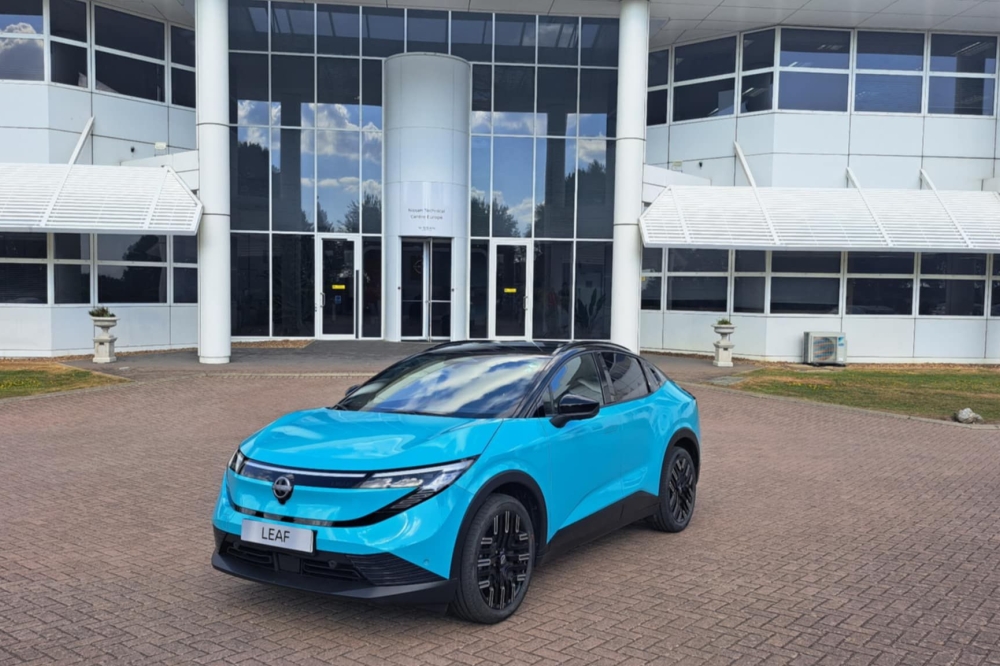
Led by engineers at Nissan Technical Centre Europe (NTCE), the project will use on-board solar panels, intelligent charging devices, GaN semiconductors and AI technology to develop the next generation technology.
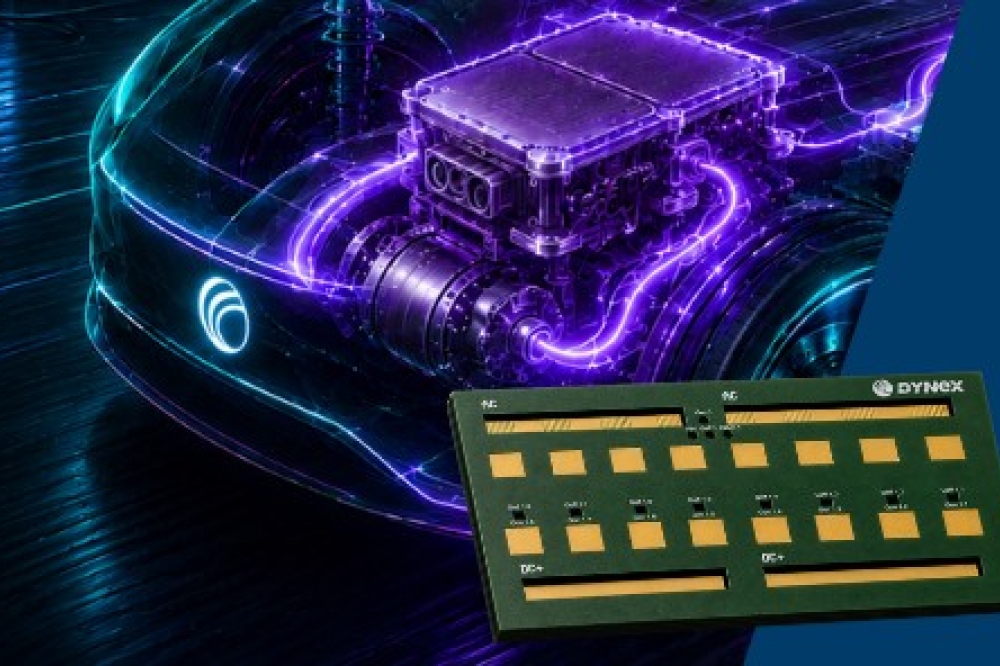
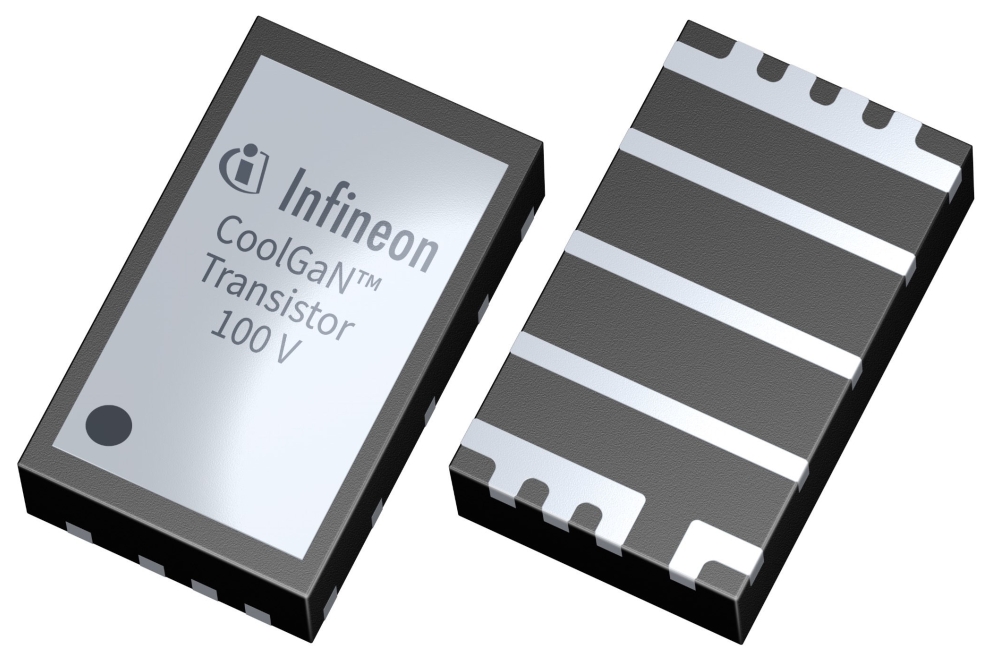
For the project, Ricardo will work closely with RAM Innovations to design and develop an advanced, low-cost, GaN traction inverter at two different power levels, 50kW and 150kW, to match mainstream vehicles in all-new Nissan LEAF.
Part of the UK Government’s £4 billion DRIVE35 programme, and delivered by the Department for Business and Trade in partnership with the Advanced Propulsion Centre UK (APC) and Innovate UK, the project is expected to take three years to complete.
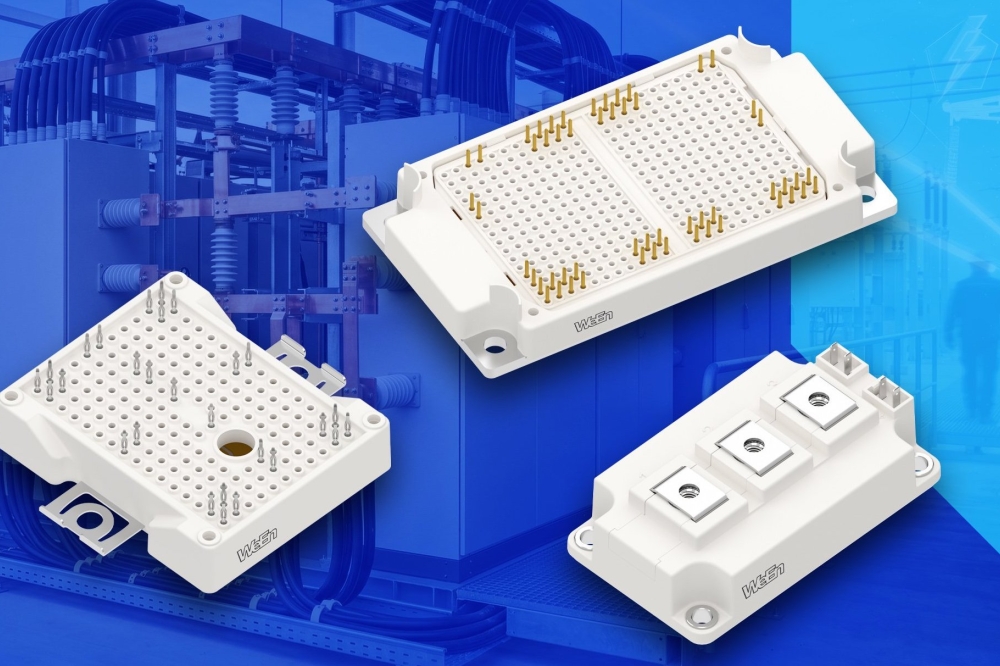
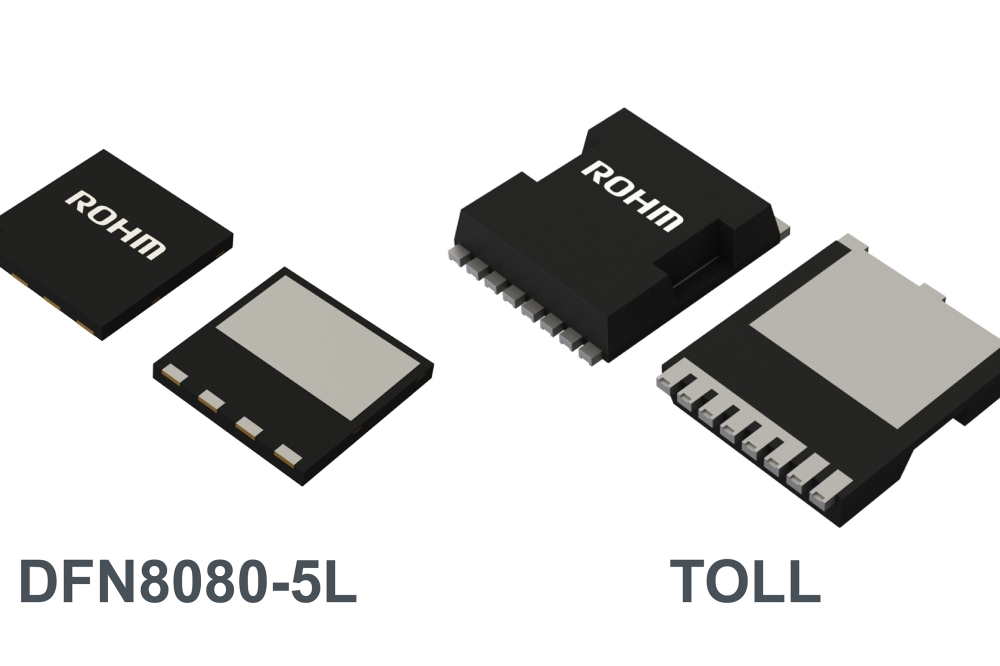
GaN technology has evolved in recent years to enable higher current capability to produce high power traction applications. The power module will be designed, built and integrated into the inverter to take advantage of the technology in terms of higher switching frequencies at low losses and lower cost compared to SiC semiconductors. In practical terms these advantages translate to improved system efficient and a reduction in inverter cost.
The GaN power modules will be thoroughly tested at the University of Bristol laboratories, in line with industry standards. Ricardo will also work closely with weeteq to incorporate artificial intelligence control and monitoring algorithms to the inverter controller, to improve component reliability.
The technology will be suitable for several applications including high performance automotive, motorsports and defence vehicles.
Temoc Rodriguez, Ricardo’s Global Technical Expert in Electric Propulsion Systems said: “Ricardo is a pioneer in the use of GaN semiconductor technology in high-power applications, and this project is the culmination of our R&D efforts over the last five years. This new product will be the first-of-a-kind for next-generation traction inverters that will operate at high efficiency at a reduced cost.
“We’re excited to be part of this consortium that has the potential to be a game changer driving efficiency and cost effectiveness in EV technologies.”
David Moss, SVP Research and development, Nissan Africa, Middle East, India, Europe and Oceania (AMIEO) added: “This project highlights the strength of UK innovation and marks a significant step towards the next generation of integrated energy technologies for electric vehicles.
“Through close collaboration with industry and academic partners, we are advancing solutions that lower the cost of ownership, improve efficiency and deliver greater value for customers.”
“Together, we are laying the groundwork for future electrified products and reaffirming our commitment to making electric mobility more accessible, convenient and sustainable for all.”
Ian Constance, CEO, Advanced Propulsion Centre UK (APC), said: “Collaborative projects demonstrate the UK’s determination to lead the shift to zero-emission mobility. By facilitating the UK Government’s DRIVE35 grants, we are turning world-class innovation into industrial capability. With our partners in DBT and Innovate UK, we are backing manufacturers, empowering SMEs, and strengthening the UK’s sovereign supply chain.
“This multi-million pound support package is more than an investment in technology; it is an investment in the people, skills, and companies that will define the future of clean transport. Together, we are building the foundations of a competitive, resilient, and sustainable automotive industry.”