QPT's AI-driven design service optimises die attach in days
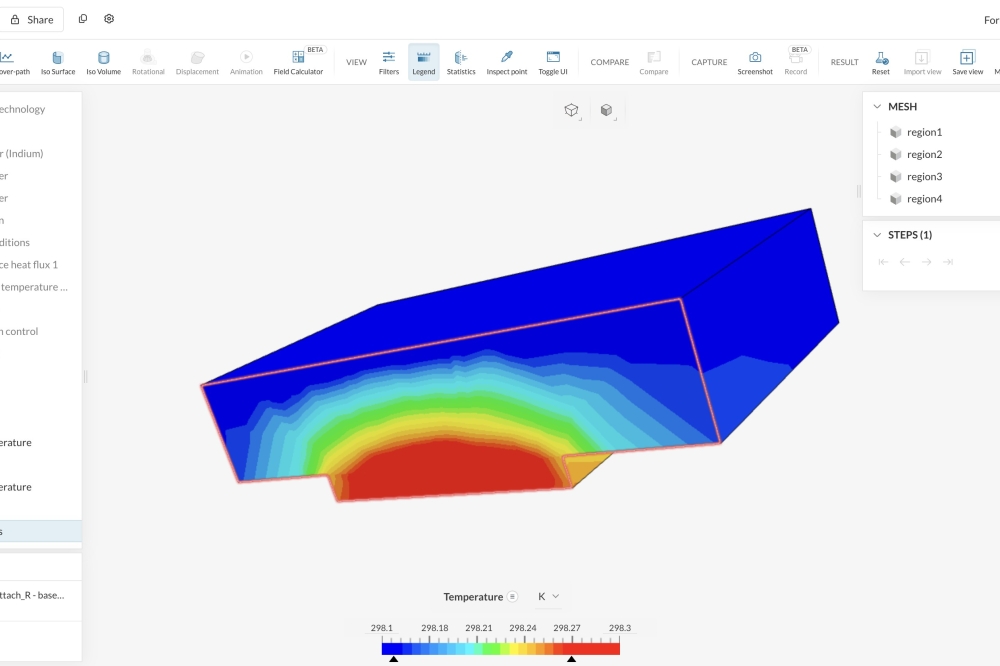
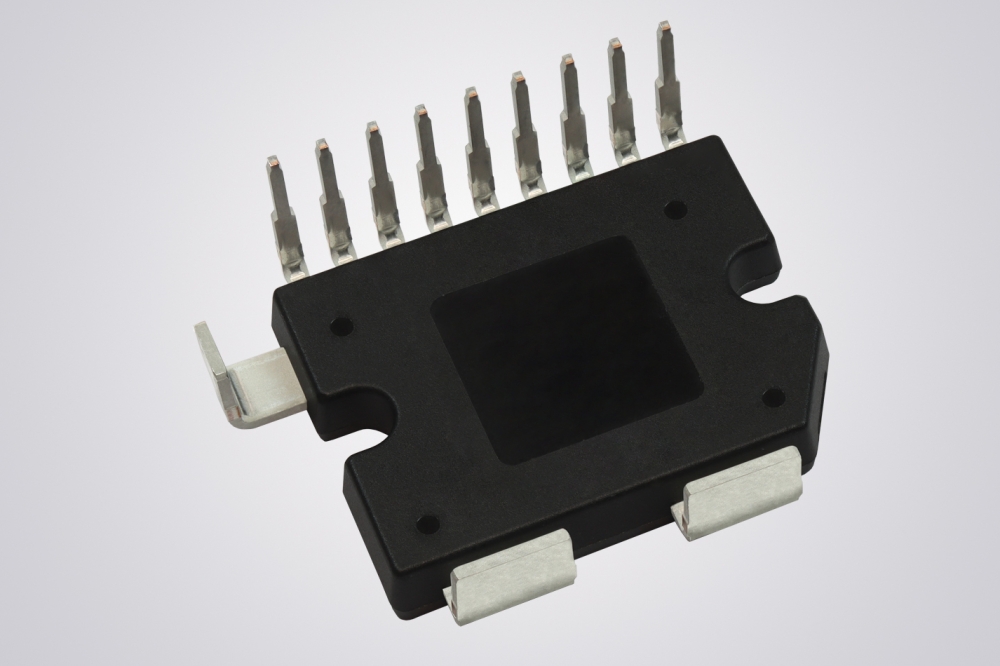
Cambridge-based QPT has unveiled qDesign, an AI-driven generative design service that programmatically generates, simulates and iterates on QPTs patented qAttach thermal interface layer for any power module, replacing weeks of human-in-the-loop CAD and simulation cycles with AI-generated topologies and automated optimisation.
Ahead of its showcase at PCIM Europe 2026, QPT is opening qDesign to semiconductor and power module manufacturers as a partnered engineering service, optimising the qAttach layer for each customer's specific die, substrate, heatsink and operating envelope.
QPT's qAttach layer delivers up to 15x better thermal performance over current alternatives on the market and enables 1MHz+ hard-switching, a step change for performance, power density and system costs in motor drives and AI data centre power supplies.
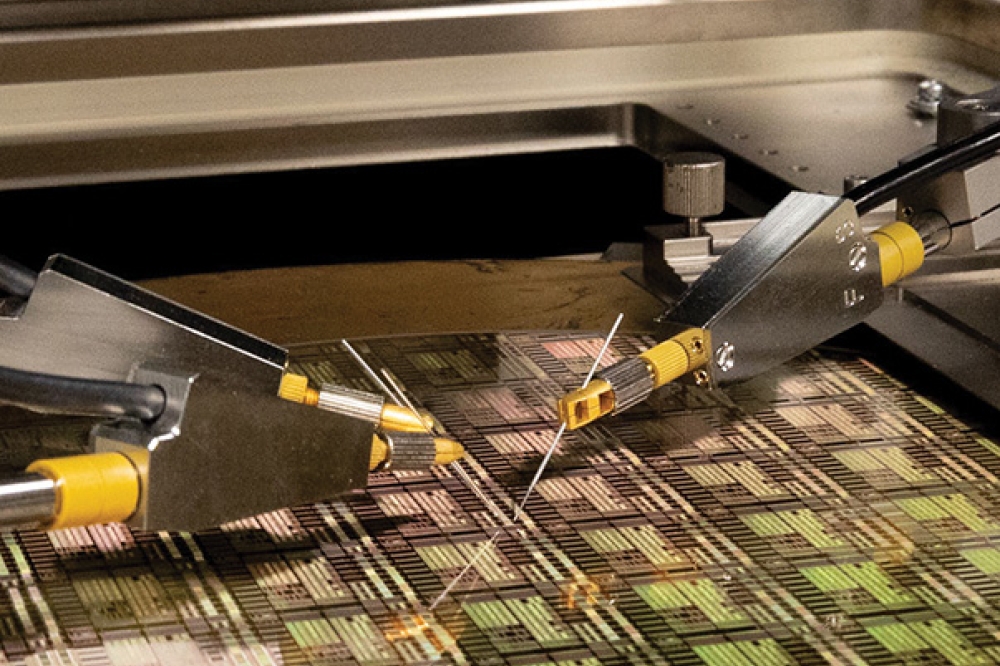
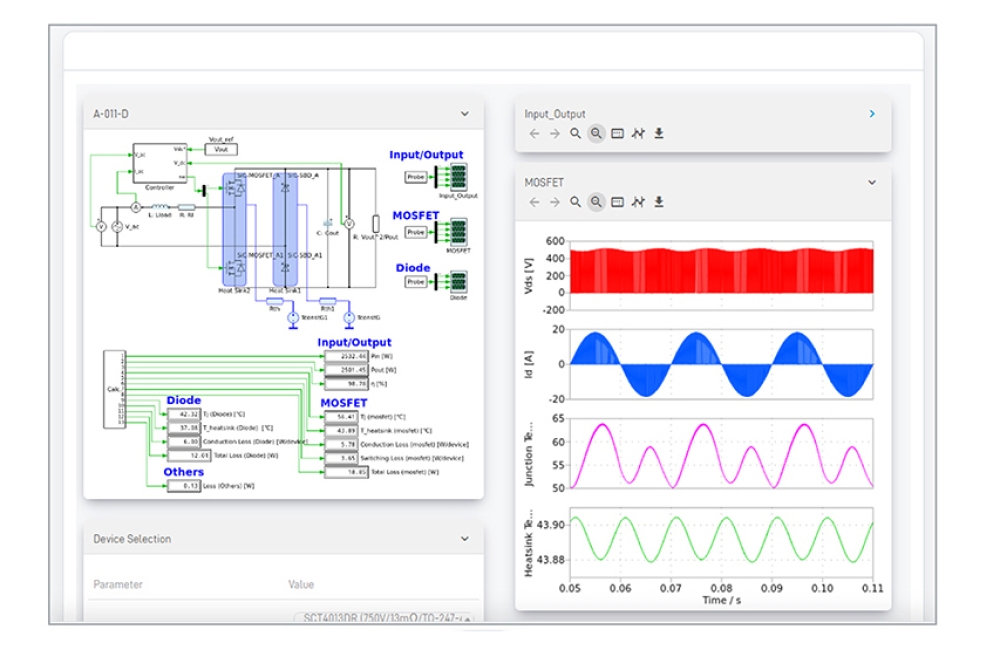
The qDesign AI platform is said to closes the loop between geometry generation, thermal-mechanical simulation and design iteration. A trained AI model produces a validated qAttach geometry that integrates with the customer's existing module; each candidate is dispatched automatically to cloud-based finite-element analysis for full thermal and stress evaluation.
Results converge on a geometry tuned to the customer's specific thermal and reliability requirements. Every revision is captured as a traceable deliverable; parametric inputs, simulation results, and AI-generated engineering drawings and reports ready for human review.
"qAttach benefits increase considerably with per-application optimisation. Every customer's die, substrate, and thermal environment is different, and the geometry that extracts the most performance for one module isn't the same as for another. qDesign is what makes that practical at scale. It lets us deliver a tuned qAttach layer for each customer in minutes rather than months. For semiconductor and module manufacturers looking to push beyond what their current packaging can deliver, this is the fastest route to a qualified, optimised design," said Rob Gwynne, Founder and CTO.
A new approach to packaging design
Conventional die-attach design relies on human-led CAD iteration, with each thermal-mechanical revision taking days or weeks of engineering time. This is especially true with the complex geometries that deliver the thermal and mechanical performance of qAttach, according to QPT.
The complexity of optimising a qAttach geometry, balancing ultra-thin bond lines for thermal performance against stress relief for reliability, compounds this cost, and the search space is too large for a human designer to explore exhaustively.
By automating the generate-simulate-iterate loop, the qDesign service explores thousands of candidate geometries in the time a human engineer would evaluate one, and discovers complex topologies a human designer would never reach. The qAttach layer that emerges is not a standard part, but a geometry tuned to the customer's die size, power density, substrate stack, target requirements and manufacturing constraints.
QPT's qAttach technology, first announced in December 2024, removes waste heat from power semiconductor dies up to 15× faster than conventional sintered die-attach processes. This is achieved through an ultrathin bond layer with a proprietary geometry that constrains thermal expansion, eliminating the delamination that is the leading cause of failure in conventional power packages.